

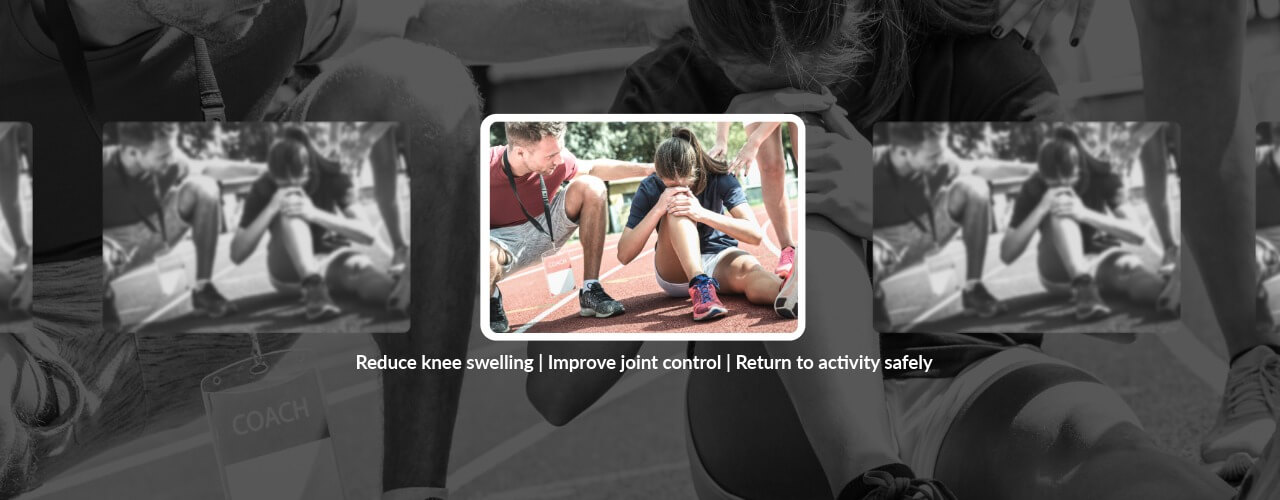
A meniscus injury can be painful, limiting, and confusing for anyone trying to stay active. Whether the injury is due to sports, a sudden twist, or gradual wear and tear, it affects the knee’s ability to move, bear weight, and support daily function. The meniscus is the cartilage in the knee that cushions and stabilizes the joint. When torn or damaged, it can cause pain, swelling, and reduced mobility.
Physical therapy plays a key role in healing and protecting the knee after a meniscus injury. Early intervention can help you reduce inflammation, regain strength, and return to activity without worsening the damage.
Spotting the Signs: What Does a Meniscus Injury Feel Like?
Not all knee pain points to a meniscus tear, but several hallmark symptoms may indicate something more serious:
- A popping sensation at the time of injury
- Swelling or stiffness within the knee joint
- Pain when rotating or twisting the knee
- Trouble straightening the leg fully
- Feeling like the knee is “locked” or unstable
These symptoms can develop suddenly after injury or progress gradually with overuse. Either way, physical therapy can help you take the right steps to support healing while avoiding further damage.
Treatment That Works: Physical Therapy Over Rest Alone
While rest may seem like the best response, it is rarely enough on its own. Movement, when guided and controlled, is essential to healing. Physical therapy strengthens the muscles around the knee, restores balance and coordination, and promotes proper joint mechanics. At Star Physical Therapy, we develop a plan that matches your injury type and activity level.
Six Recovery Tips to Support Your Healing Journey
Whether you are recovering from a partial tear or dealing with chronic irritation, these tips can help you stay on track with your recovery. Each step is based on best practices in physical therapy for meniscus injuries.
1. Control Swelling with Compression and Elevation
Use a knee sleeve or compression wrap to minimize inflammation. Elevate the leg when resting to support circulation and reduce fluid buildup.
2. Begin Gentle Range-of-Motion Exercises
Controlled movement helps prevent stiffness. Straighten and bend the knee slowly while lying down or seated. Avoid forcing the motion, especially in the early stages of recovery.
3. Strengthen the Surrounding Muscles
Building strength in the quadriceps, hamstrings, and hips provides better support for the injured knee. Your physical therapist will guide you through safe exercises to activate these muscles without placing stress on the joint.
4. Focus on Balance and Proprioception
A meniscus injury often disrupts how the body senses position and movement. Balance drills can help restore coordination and prevent future injuries. Start with simple weight shifts, then progress to single-leg balance with support.
5. Modify Your Activities Temporarily
Avoid deep squats, twisting motions, and high-impact movements while your knee is still healing. Choose low-impact options such as cycling or swimming when approved by your provider.
6. Use Manual Therapy to Improve Joint Mobility
At Star Physical Therapy, our physical therapists use hands-on techniques to reduce tension, improve mobility, and relieve joint pressure. Manual therapy can support healing and ease discomfort when movement is limited.
Why Physical Therapy Makes a Difference
When recovering from a meniscus injury, the support of a trained movement specialist can make the difference between short-term relief and long-term stability. Physical therapy helps you:
- Rebuild strength and joint control
- Prevent compensations that lead to other injuries
- Improve walking, climbing, and sport-related movement
- Return to your favorite activities with confidence
At Star Physical Therapy, we tailor your recovery plan to fit your goals and lifestyle. We track your progress closely and adjust your care as you improve, ensuring that you heal efficiently and safely.
Get Expert Help for Your Knee Pain
A meniscus injury does not have to sideline you for long. With guidance from a physical therapist, you can reduce pain, restore strength, and get back to doing what you enjoy. Whether your injury is recent or lingering, Star Physical Therapy is here to help you move forward with confidence.
Contact us today to schedule your first appointment and take the next step toward recovery. Your knees will thank you.
Tags: movement rehab, cartilage injury, joint recovery, knee stability